
The Foundation
Sleep & Recovery
Sleep is where recovery happens. Practical routines, rest and supplements to sleep deeper, recover faster, and handle stress better.
The minimum
What the research says is enough to start.
Recovery isn't about gadgets or a perfect routine. Sleep does most of the work, and a few well-supported basics take care of the rest. Here they are, in plain numbers.
7+ hrs
of sleep a night
Sleep experts recommend that adults get at least 7 hours on a regular basis for optimal health.
: AASM and Sleep Research Society consensus statement on adult sleep (2015) · Consensus Conference Panel, Sleep (2015)
6 hrs
before bed, no caffeine
In a controlled study, caffeine taken even 6 hours before bedtime measurably cut total sleep time. So that afternoon coffee may matter.
Rest days
are when your body rebuilds
Beginner strength training is recommended 2 to 3 days a week, which leaves rest days in between for your muscles to recover and adapt.
: ACSM Position Stand: Progression models in resistance training for healthy adults (2009)
7–9 hrs
is the usual sweet spot
Across 16 studies and more than a million people, both much shorter and much longer sleep went along with a higher risk of early death. Needs vary, so use this as a guide, not a rule.
The research
Why sleep and recovery are not optional.
Training, work and stress all create wear and tear. Sleep and rest are when your body catches up. Here's what the research says.
Seven or more hours is the standard
A panel of 15 sleep experts reviewed the evidence and agreed that adults should sleep 7 or more hours a night on a regular basis for optimal health. More than 9 hours can be appropriate for some people, such as those recovering from sleep debt or illness.
: AASM and Sleep Research Society consensus statement on adult sleep (2015) · Consensus Conference Panel, Sleep (2015)
One bad night slows muscle repair
In a small study of 13 healthy adults, a single night of no sleep cut the rate of muscle protein synthesis by 18 percent the next day. Cortisol, a stress hormone, rose 21 percent, and testosterone fell 24 percent. It's a small study, but it shows how quickly sleep loss reaches your muscles.
Athletes need sleep too
Experts in sports science note that athletic performance drops after a night or more without sleep, and that sleeping under 7 hours a night raises the odds of catching respiratory infections. They recommend an individualized approach based on each person's own sleep needs.
Active recovery and massage ease soreness
A review of 99 studies found that active recovery (light movement), massage, compression garments, water immersion and cold exposure all reduced muscle soreness after exercise, and massage was the most effective for soreness and fatigue.
Short sleep is linked to many health problems
Regularly sleeping less than 7 hours is associated with weight gain and obesity, diabetes, high blood pressure, heart disease and stroke, depression and a higher risk of death, according to the same consensus statement.
: AASM and Sleep Research Society consensus statement on adult sleep (2015) · Consensus Conference Panel, Sleep (2015)
Caffeine lingers longer than you think
In a study of healthy adults, caffeine taken 0, 3 or 6 hours before bed all disturbed sleep compared with a placebo. The authors support the common advice to avoid substantial caffeine for at least 6 hours before bedtime.
Example for beginners
An example first four weeks.
This is an example of what a beginner's first four weeks could look like, not a prescribed plan or clinical protocol. It builds sleep and recovery habits one small change at a time. Adjust it to your life. Consistency matters more than speed.
Week 1
Anchor your wake time
Pick a wake-up time you can keep, even on weekends. Move your last caffeine to at least 6 hours before bed.
Week 2
Start a wind-down
Set aside 20 to 30 minutes before bed with dimmer lights and no work. Plan at least one full rest day in your week.
Week 3
Shape your room, move gently
Make the bedroom dark, quiet and a little cool. On rest days, take an easy walk or stretch.
Week 4
Protect 7 hours
Work backward from your wake time so you can be asleep for at least 7 hours, and refuel after your workouts. Note how you feel.
Your first recovery routine
A simple routine for sleep and recovery.
About 30 minutes in the evening, plus a few small habits during the day. No equipment, and nothing to buy. The goal is to help your body rebuild and your mind shift gears.
- 1
Refuel after training
Have a balanced meal or snack with protein, and drink water, after a workout.
- 2
Move gently on rest days
A walk or light stretching keeps you loose without adding stress.
- 3
Set a screens-down time
Pick a time 30 minutes before bed, and stick to it most nights.
- 4
Dim the lights
Lower the lights in your home as the evening goes on.
- 5
Write tomorrow's list
Put tomorrow's top three tasks on paper so your mind can let go of them.
- 6
Do something calming
Stretch lightly, read something easy, take a warm shower or sip a warm herbal tea.
How to use it
- Keep your sleep and wake times as steady as you can. The consensus guidance asks for 7 or more hours on a regular basis, and regular is the key word.
- Stop caffeine at least 6 hours before bed. If you're sensitive, move it earlier.
- Treat rest days as part of your training, not a break from it. Light movement on a rest day is one of the methods shown to ease soreness.
- Give a new routine a few weeks before judging it. If trouble sleeping or tiredness continues, talk with your doctor.
: AASM and Sleep Research Society consensus statement on adult sleep (2015) · Drake et al., Journal of Clinical Sleep Medicine (2013) · Dupuy et al., Frontiers in Physiology (2018)
Helpful tools
Products that can support your sleep and recovery.
Sleep is where recovery happens, and the right products can support both sides. Here are seven examples from the brands we work with, and how each one can fit your routine. The best way to find what fits you is the starter assessment.
For better sleep
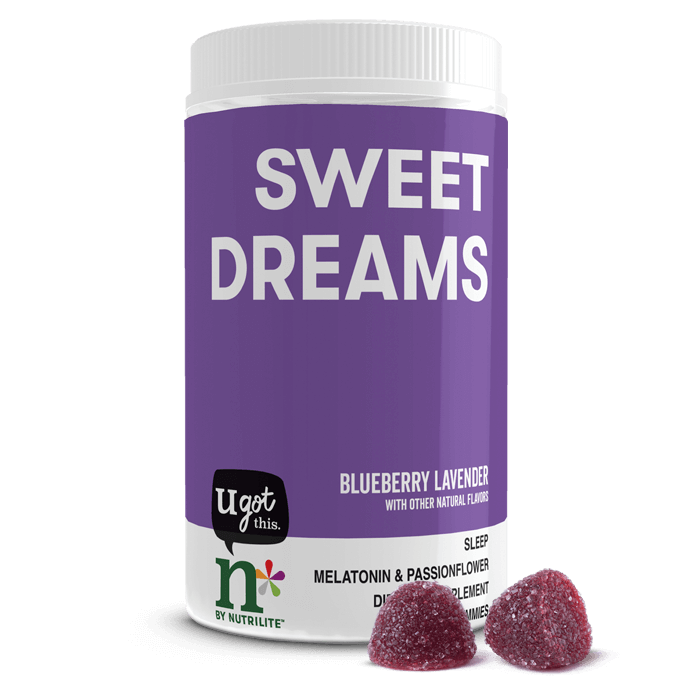
Sleep gummies
n* by Nutrilite™ Sweet Dreams Sleep Gummies
Chewable gummies made with melatonin, passionflower extract and magnesium. They're dairy free, gluten free and soy free.
- 3 mg melatonin and 50 mg magnesium per serving
- 3 g sugar per serving
- 30 servings per bottle
How it can fit your routine
A tasty, easy way to ease into the evening. Made with melatonin, passionflower and magnesium to promote good sleep, these gummies pair nicely with the wind-down routine above: dim the lights, put the screens down and let your evening do the rest.
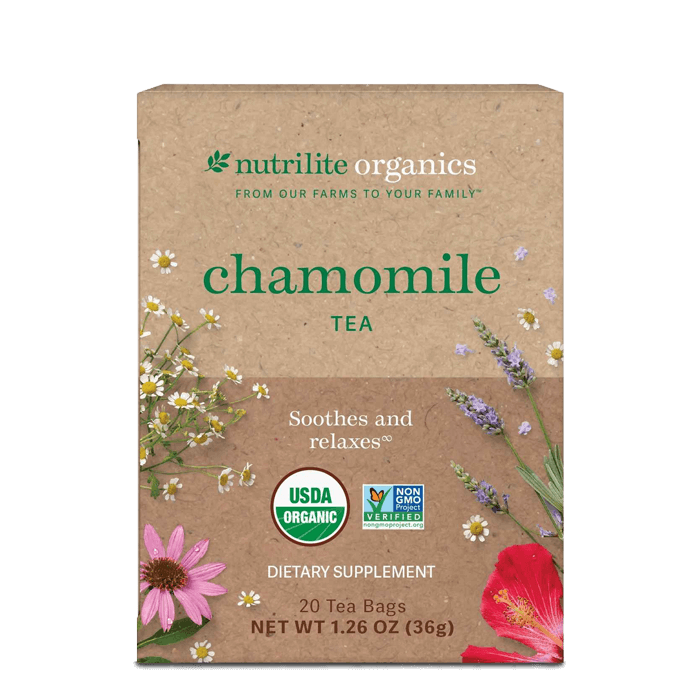
Herbal tea
Nutrilite™ Organics Chamomile Tea
A caffeine-free herbal blend of organic chamomile, hibiscus, lavender, catnip and echinacea, grown on certified organic farms.
- 0 calories per serving
- 20 tea bags per box
How it can fit your routine
A warm, caffeine-free cup at the same time each night is an easy way to start your wind-down and cue your body that the day is over. This organic blend of chamomile, lavender, hibiscus, catnip and echinacea is made for relaxing before bedtime.
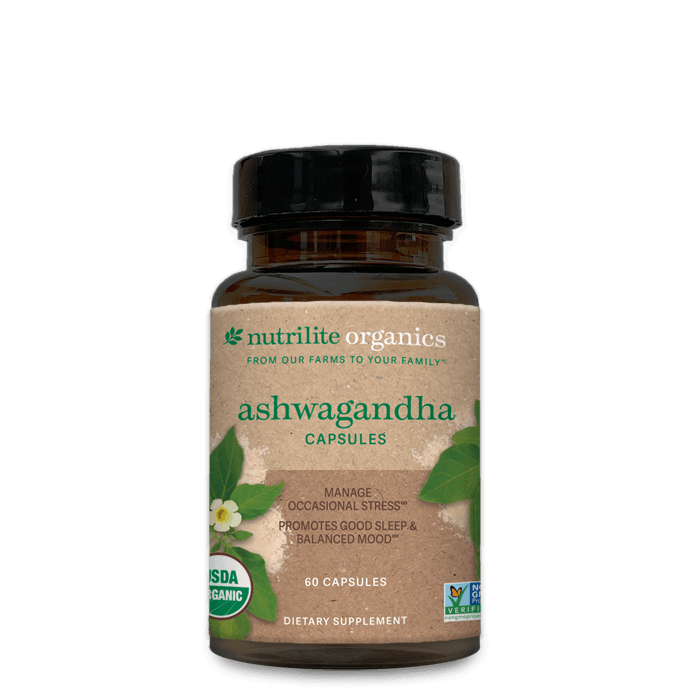
Herbal supplement
Nutrilite™ Organics Ashwagandha Capsules
Capsules made with organic ashwagandha root extract and powder plus rosemary extract, traditionally used to support the body's response to occasional stress.
- 890 mg ashwagandha and 100 mg rosemary extract per serving
- 60 capsules per bottle
- Vegetarian, dairy free, gluten free and soy free
How it can fit your routine
A review of five randomized trials with 400 people found a small but significant improvement in sleep with ashwagandha extract. It also improved alertness on waking and anxiety, with the strongest sleep effects in people with insomnia and at 600 mg a day or more over 8 weeks or longer. With 890 mg of organic ashwagandha per serving, it's a plant-based way to support rest and calm.
For better recovery
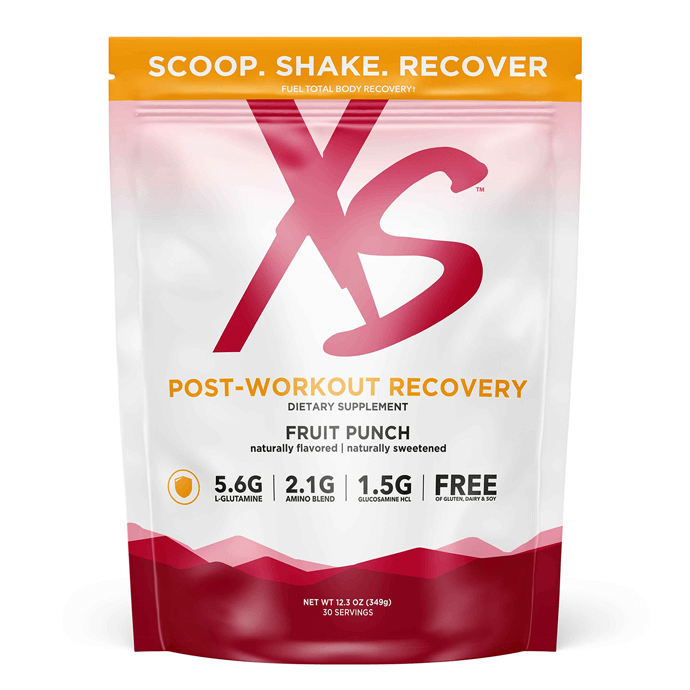
Recovery drink mix
XS™ Post-Workout Recovery
A drink mix in single-serve stick packs, made with L-glutamine, an essential amino acid blend, glucosamine and turmeric, and naturally flavored with no sugar.
- 5.6 g L-glutamine and 2.1 g amino acid blend per stick
- 1.5 g glucosamine and 80 mg turmeric extract
- 12 stick packs per box
How it can fit your routine
The hours after a hard session are when your body starts to rebuild. A pre-measured stick pack makes it easy to refuel and rehydrate wherever you are, with amino acids and L-glutamine to help your muscles recover and glucosamine and turmeric to support your joints.
Turmeric supplement
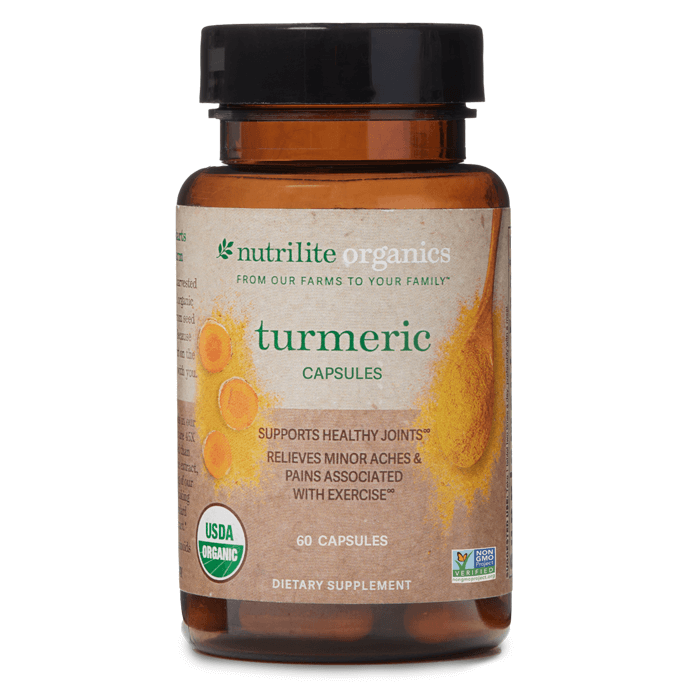
Nutrilite™ Organics Turmeric Capsules
Capsules made with organic turmeric and fenugreek extract, with highly absorbable curcuminoids, made to support healthy joints and a healthy inflammatory response and to help relieve minor post-exercise aches and pains.
- 380 mg turmeric and fenugreek extract per serving
- 60 capsules per bottle
- Vegetarian, dairy free, gluten free and soy free
How it can fit your routine
Hard training and busy days can leave you feeling it. In a review of 10 trials, curcumin supplementation reduced muscle soreness and markers of muscle damage after exercise, and improved strength and range of motion. This organic, highly absorbable turmeric extract is made to support recovery from minor post-exercise aches and pains.
Topical recovery cream
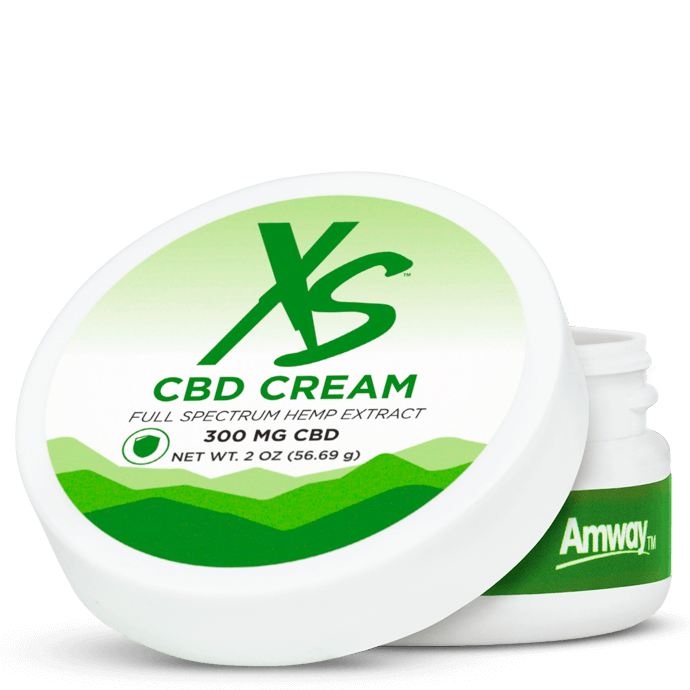
XS™ CBD Cream
A topical cream made to support recovery from activity. It soothes and nourishes tired skin with 300 mg of CBD from full spectrum hemp extract, along with menthol, arnica, boswellia and hemp seed oil.
- 300 mg CBD per 2.0 oz (56.69 g) tube, about 20 to 30 uses
- Dermatologist tested and allergy tested
- Suitable for sensitive skin and all skin types, and not tested on animals
How it can fit your routine
A simple, hands-on way to finish a workout. The menthol gives a cooling feel while CBD, arnica and boswellia come together in a moisturizing cream that soothes and nourishes tired skin, easy to keep in your gym bag for after training.
Topical recovery cream
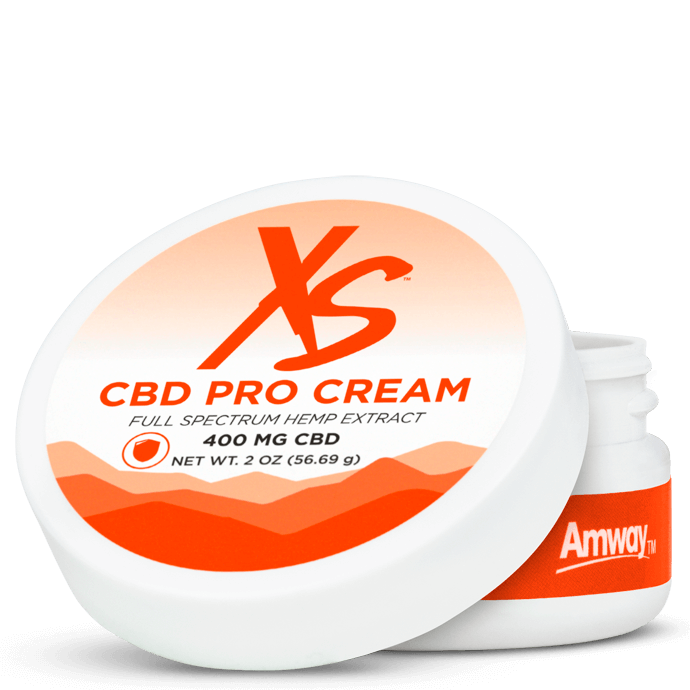
XS™ CBD Pro Cream
Our most advanced CBD cream formula, made with 400 mg of CBD from full spectrum hemp extract. It's designed to act fast, soothing and warming the skin within minutes, and it's great for pre- and post-workout recovery.
- 400 mg CBD per 2.0 oz (56.69 g) tube, about 20 to 30 uses
- Dermatologist tested and allergy tested
- Suitable for sensitive skin and all skin types, and not tested on animals
How it can fit your routine
For anyone who wants a stronger formula, the Pro cream has more CBD and a warming feel that arrives within minutes. Use it before, during or after a workout, or after any strenuous activity, to give tired skin a soothing, warming touch.
Facts come from the manufacturer's product labels. These statements have not been evaluated by the Food and Drug Administration. These products are not intended to diagnose, treat, cure or prevent any disease. Talk with your doctor before starting a supplement, especially if you have a health condition, take medication, or are pregnant or nursing.
Starter assessment
Make Sleep & Recovery fit your life.
Not sure where to start? Tell us where you are today with a few quick questions. Your answers come straight to us, and Levi will reach out personally to talk about what fits your life.
Common questions
Questions people ask before they start.
What if I can't fall asleep?
Everyone has a rough night now and then. Keep your wake time steady, skip late caffeine and stick with your wind-down. If it keeps happening for weeks, talk with your doctor.
How much rest do I need between workouts?
Beginner strength training is recommended 2 to 3 days a week, so there are rest days built in. Light movement like walking or stretching on those days can help with soreness. Needs vary, so listen to your body and adjust.
: ACSM Position Stand: Progression models in resistance training for healthy adults (2009) · Dupuy et al., Frontiers in Physiology (2018)
Is it okay to catch up on sleep on weekends?
Extra rest after a short week can help, and long sleep can be appropriate when you're recovering from sleep debt. The habit we suggest is a wake time that stays close to the same every day, with catch-up sleep as the exception.
How do I know if I'm recovering enough?
Sleep needs are personal, so the experts recommend paying attention to your own. Waking up rested, steady energy, and workouts that feel manageable are good signs. If you're often exhausted, sore for days or sleeping poorly, add rest and talk with your doctor if it continues.
Read the research yourself.
- AASM and Sleep Research Society consensus statement on adult sleep (2015)
- Consensus Conference Panel, Sleep (2015)
- Cappuccio et al., Sleep (2010)
- Drake et al., Journal of Clinical Sleep Medicine (2013)
- Lamon et al., Physiological Reports (2021)
- Walsh et al., British Journal of Sports Medicine (2021)
- Dupuy et al., Frontiers in Physiology (2018)
- ACSM Position Stand: Progression models in resistance training for healthy adults (2009)
- Cheah et al., PLoS One (2021)
- Beba et al., Phytotherapy Research (2022)
Explore the other pillars.
Movement & Strength
Learn moreNutrition
Learn moreMindset
Learn more